
I designed and introduced a proactive, inline AI interaction pattern for Subject Line Assistant that increased AI adoption by 8×. I led the proactive vs. reactive AI experiment, focusing on improving adoption through interaction design.
Marketers need to write subject lines that drive engagement and conversions without slowing down their workflow. However, Klaviyo's Subject Line Assistant was used in only ~1.7% of messages, indicating a disconnect between AI capability and usability.
My goal was to redesign Subject Line Assist to meaningfully reduce cognitive load, improve relevance and brand alignment, and increase adoption toward a ~5% target of messages using AI-generated subject lines.
I started by exploring multiple design directions before converging on the final approach:
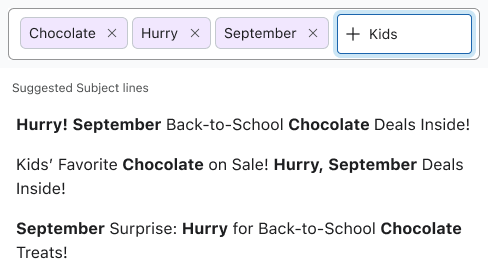
Allowed users to guide AI with keywords, but created uncertainty around intent, accuracy, and how outputs were generated.
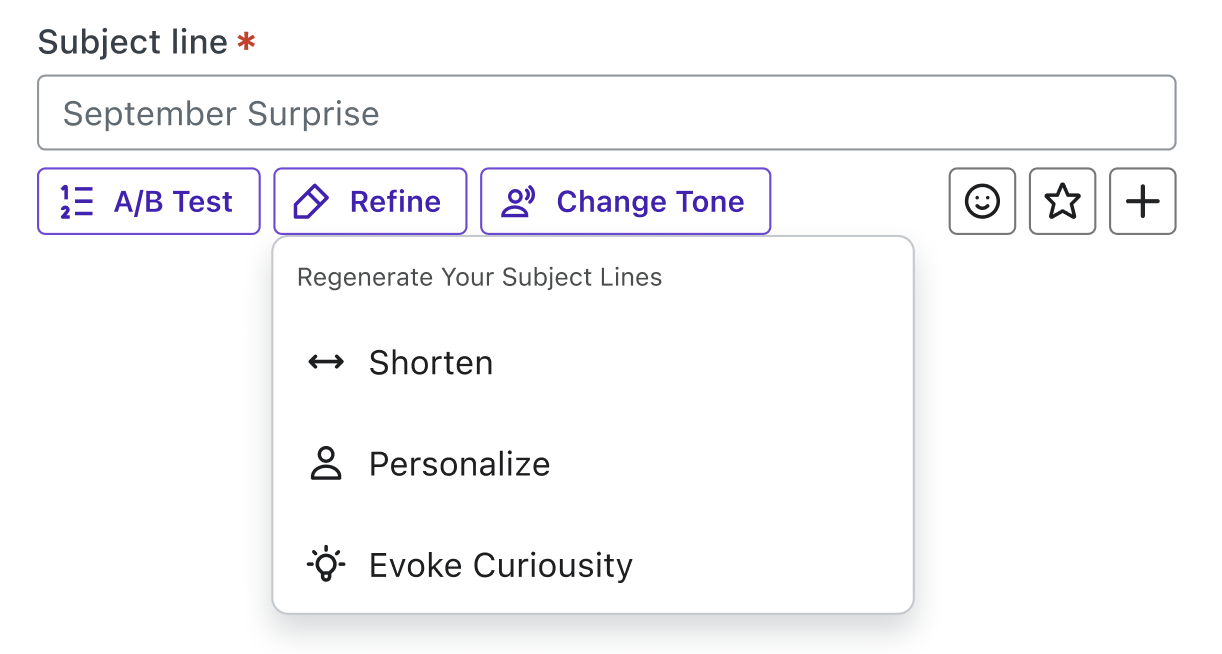
Enabled actions like regenerate, refine tone, and A/B testing with fewer clicks. While more efficient, it still required explicit activation and added UI complexity.
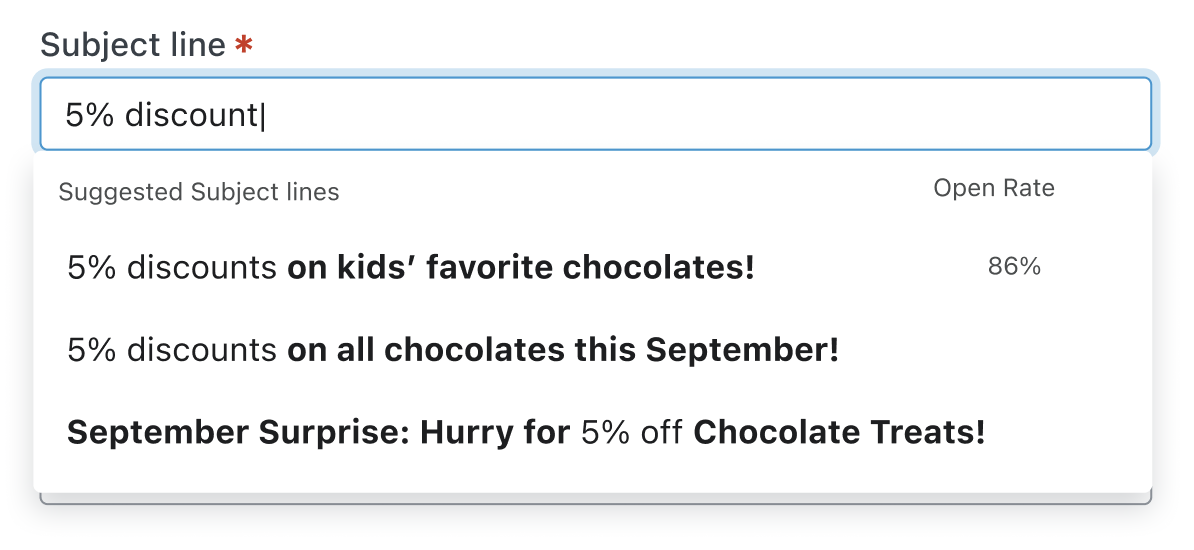
Surfaced past subject lines with open rates, increasing trust but raising concerns around data clarity and echo-chamber effects.
Across concepts, a consistent pattern emerged: users wanted flexibility and relevance but were unwilling to take extra steps to access AI.
Guiding principle: Guidance without friction.
Experimentation and testing: To validate the direction, I designed and shipped a set of experiments. These experiments isolated the impact of proactive vs. reactive AI and inline vs. modal interactions, allowing us to directly measure how interaction patterns influenced discovery, adoption, and usage.
Experiment 1 → Control: Existing modal-based Subject Line Assistant
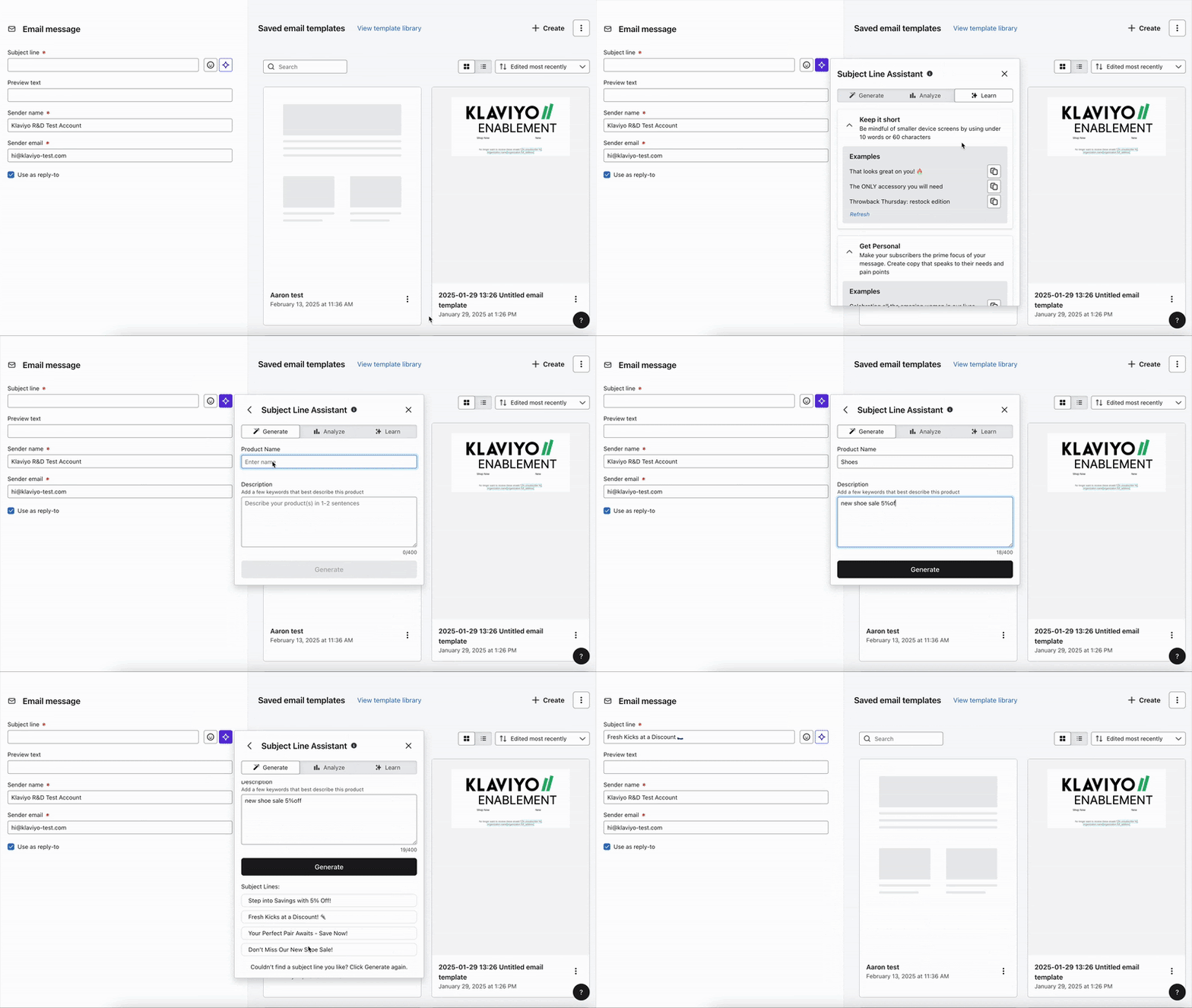
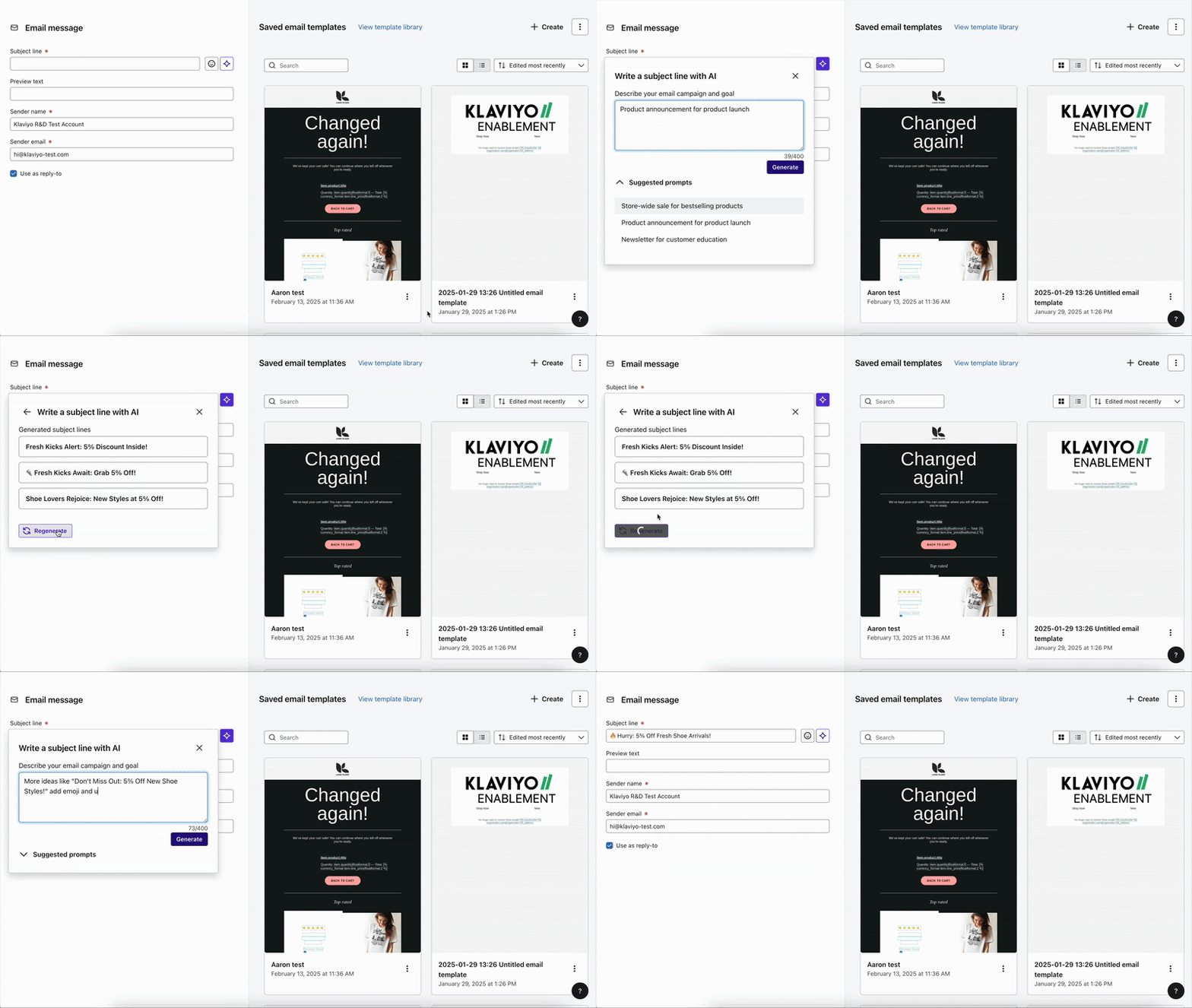
Experiment 2 → Variant B: Reactive AI accessed via a sparkle icon with regenerate controls
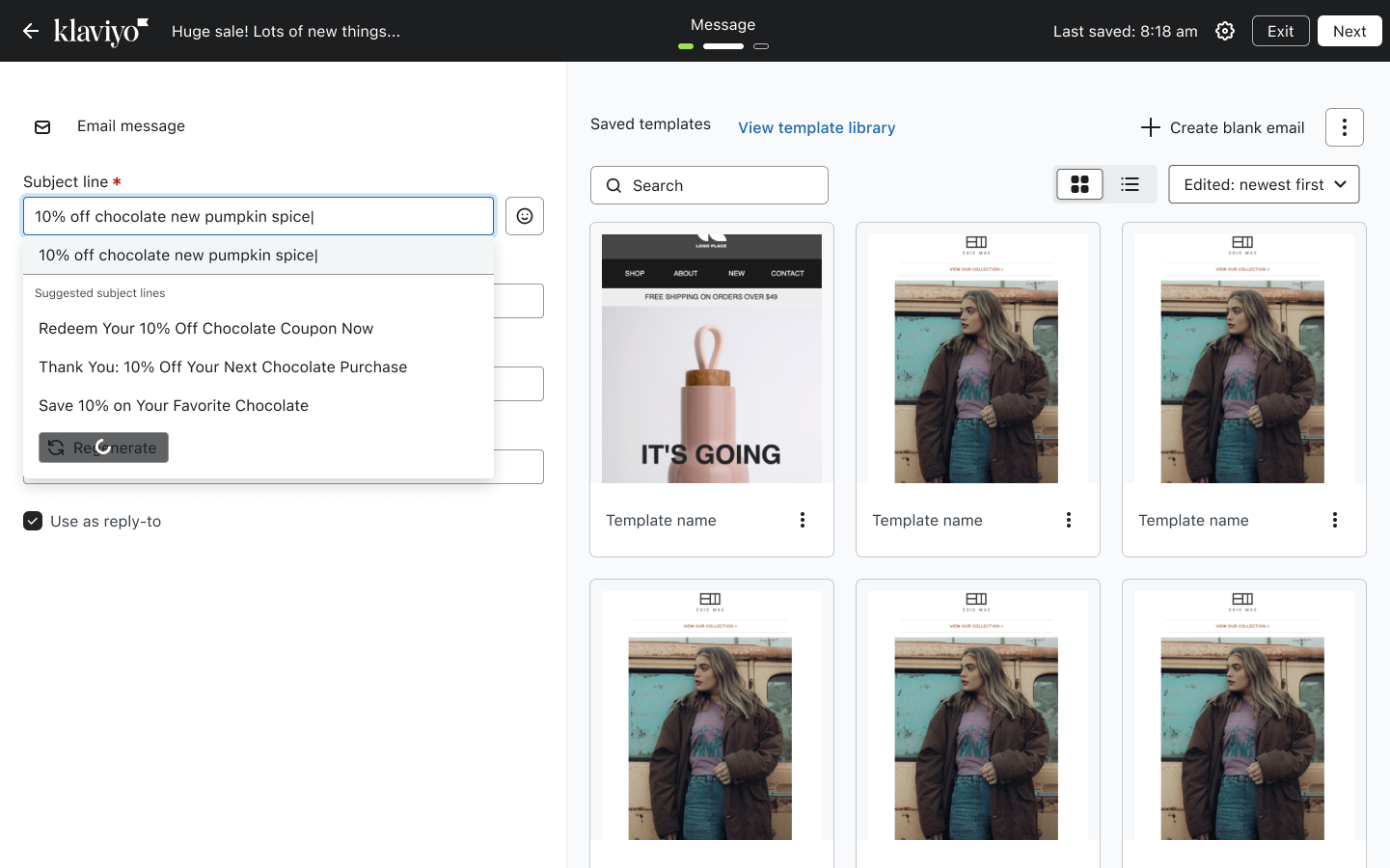
Experiment 3 → Variant C: Proactive, inline AI that surfaced suggestions as users typed
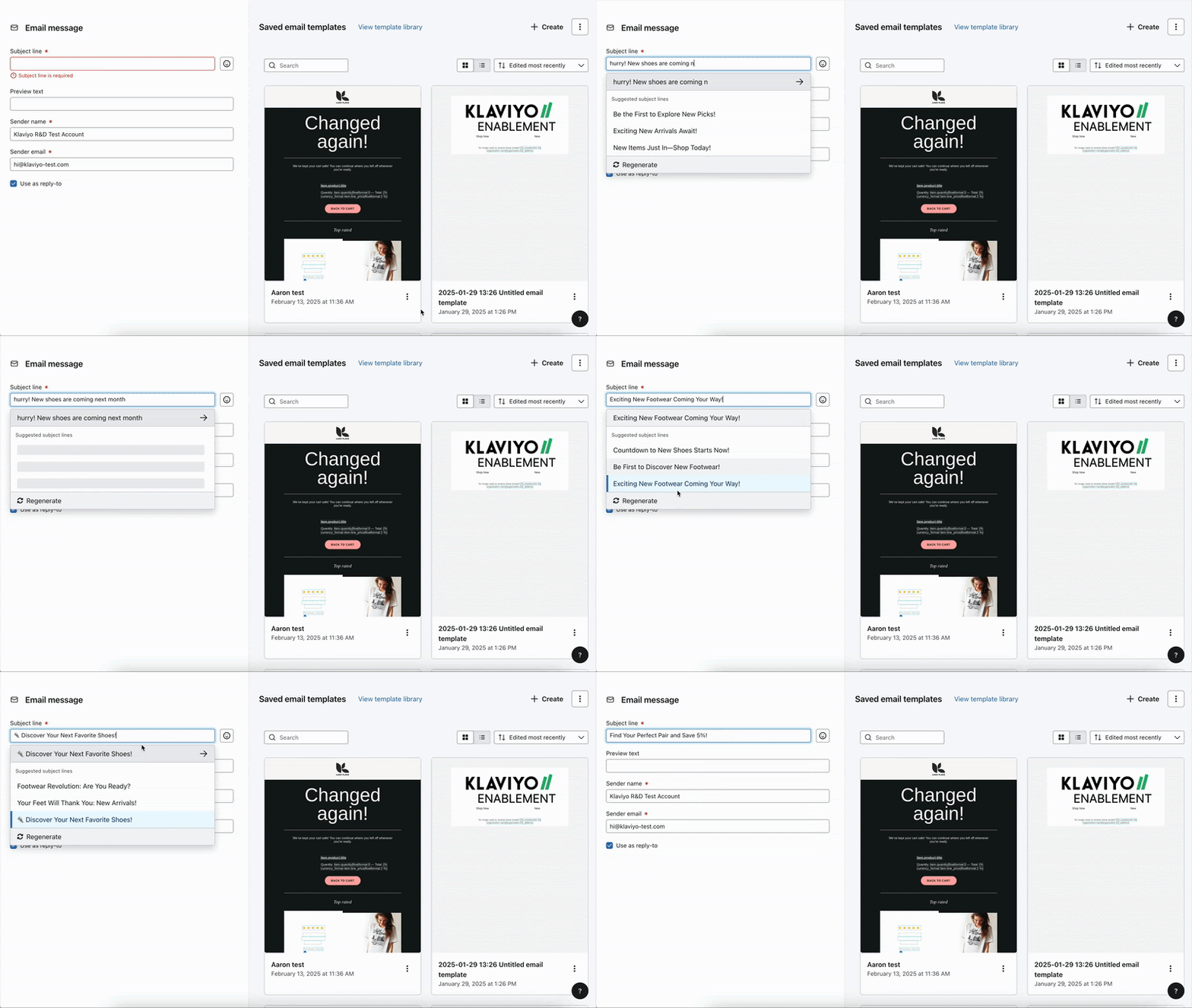
Proactive, inline AI clearly outperformed reactive and modal patterns—driving ~6× higher message-level adoption (1.5% → 8–9%) and ~8× higher account-level adoption (3% → 24%).
The core insight: interaction design, not AI capability, was the constraint. Surfacing in-context suggestions with low-friction regenerate unlocked sustained, meaningful usage and validated proactive inline AI as the default pattern for scaling adoption.
The winning solution was proactive, adaptive autocomplete embedded directly into the subject line field.